Best Toys for Independent Learning: A UAE Parent’s Guide
Early years learning
Choosing Toys That Let Children Learn on Their Own
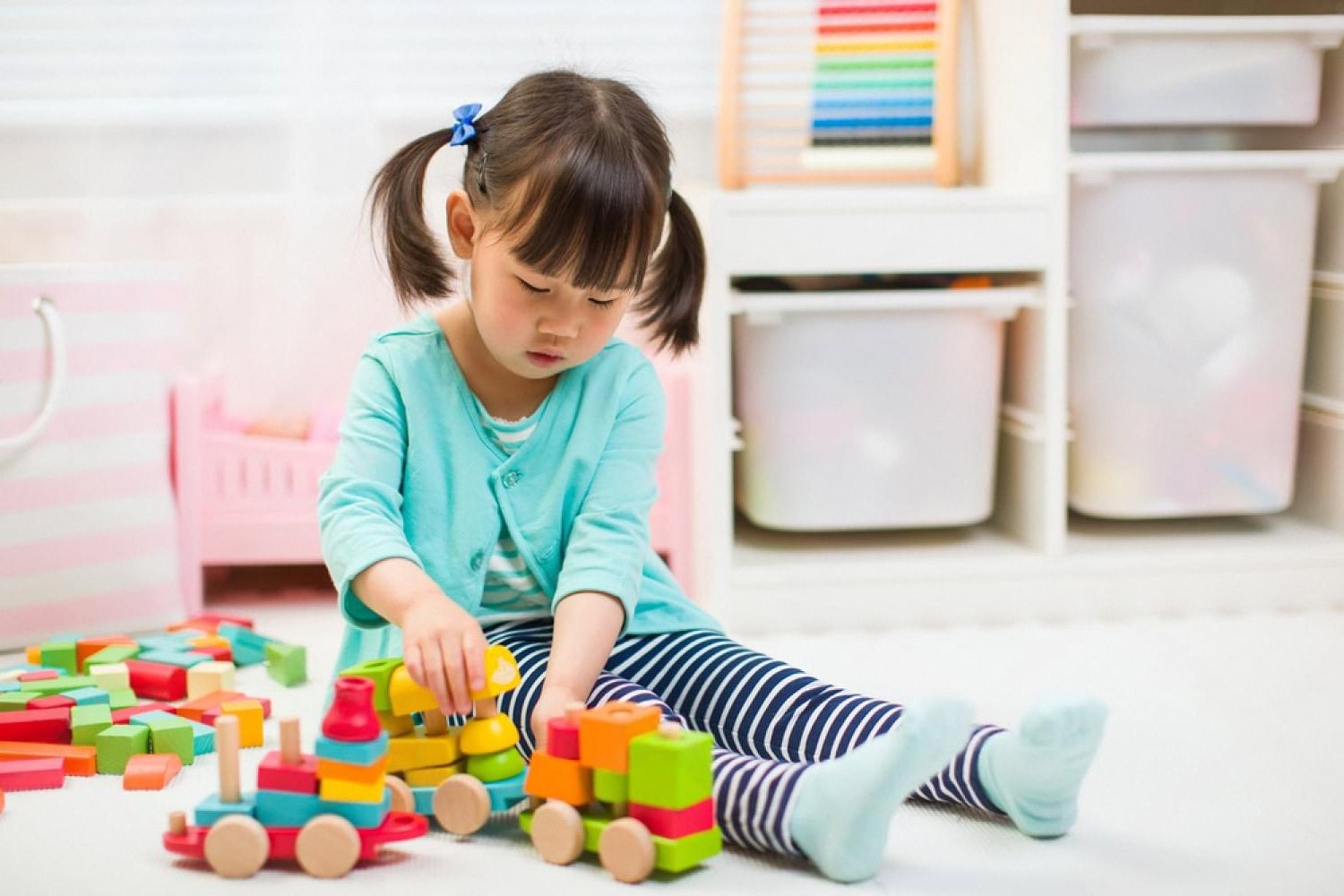
Independent learning is when a child chooses an activity, works through it, and figures out most of it without an adult stepping in every few seconds. In the UAE, where many families balance long working hours with school runs, nannies and weekend plans, toys that keep a child genuinely absorbed are worth their weight in gold. The right ones do more than fill time: they build focus, patience and self-belief.
Research on self-directed play in early childhood consistently links it with stronger executive function, better problem-solving and higher confidence. A well-known summary from the American Academy of Pediatrics on the power of play notes that unstructured, child-led play is one of the most effective ways young children learn about themselves and the world. Montessori education, developed by Dr Maria Montessoriis built on a similar idea: give children carefully designed materials, then let them work.
What to look for
What Makes a Toy Good for Independent Learning?
A toy earns its place on the shelf when a child can pick it up, use it, and understand whether they succeeded, all without asking an adult. That usually means open-ended play, self-correcting design, and a challenge that matches the child’s stage.
- Open-ended: can be used in many ways, not one
- Self-correcting: the child sees their own mistake
- Age-appropriate: hard enough to think, easy enough to try
- Invites exploration without step-by-step instructions
- Made from durable materials that survive real use
The Best Types of Independent Learning Toys
There is no single “best” toy. Different categories build different skills, and a small, well-chosen mix works better than a room full of plastic. Below is a snapshot of what tends to work well for children in the UAE, from toddlers through primary school age.
- Montessori materials. Shape sorters, knobbed puzzles, practical-life sets and sensorial trays. Designed to be used alone.
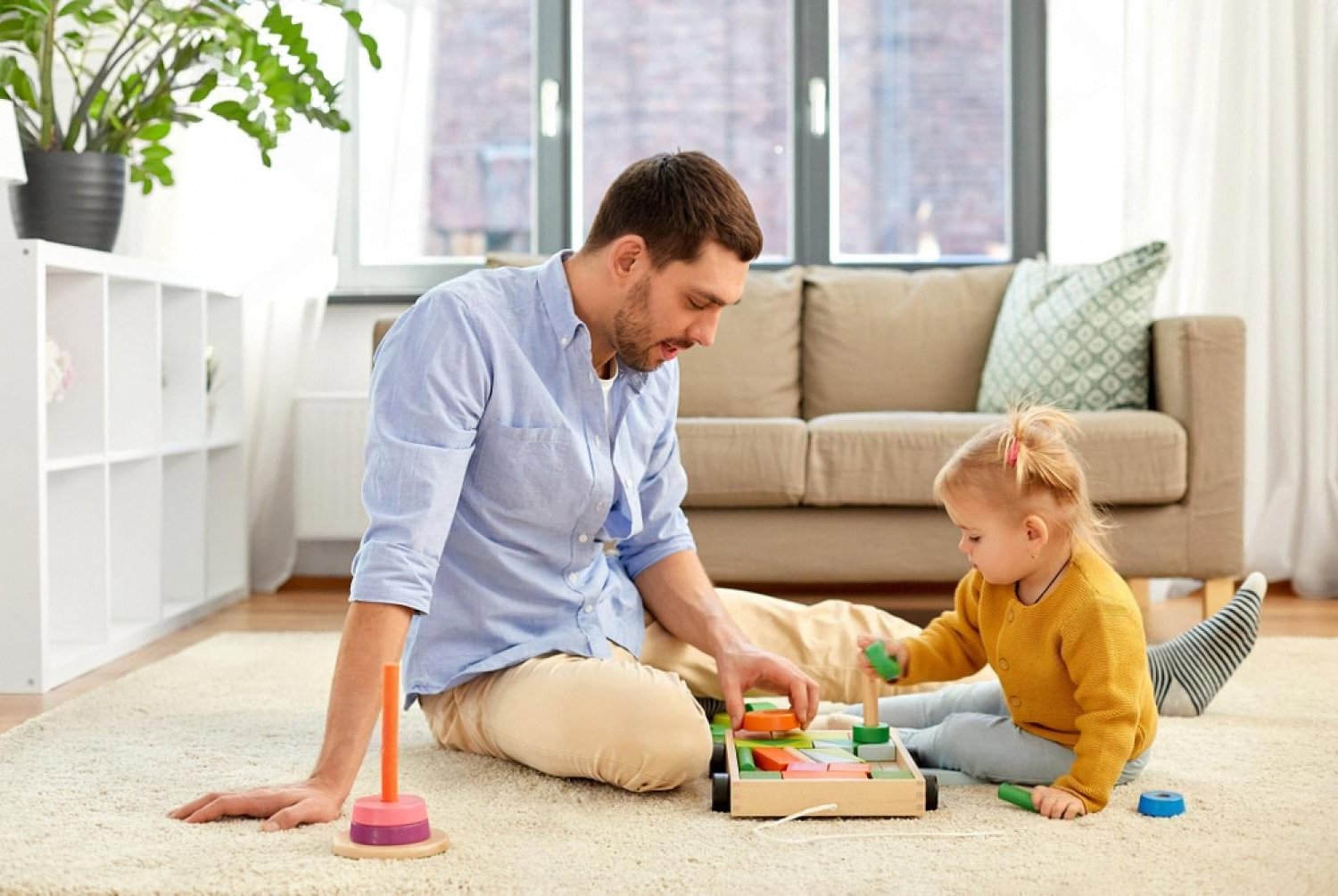
- Wooden building blocks. The classic that never dates. Great for spatial reasoning and early physics.
- STEM kits. Simple circuits, magnet science, coding robots for ages six and up.
- Puzzles. Jigsaws and logic puzzles teach patience and pattern recognition.
- Activity boards and busy boards. Zips, latches, switches: quiet, focused play for toddlers.
- Magnetic construction toys. Magnetic tiles support geometry, symmetry and free-form building.
- Art and craft kits. Open-ended supplies, not paint-by-numbers, give room for real creativity.
If you are stocking a playroom from scratch, a well-curated best toy shop dubai will usually have most of these categories under one roof, which saves you hopping between malls.
Pros and Cons of Independent Learning Toys
What they do well
- Build focus and longer attention spans
- Grow problem-solving and critical thinking
- Boost confidence when a child solves it alone
- Encourage creativity through open play
- Give parents quiet time without screens
- Last for years, often passed between siblings
Where they fall short
- Good ones cost more up front than battery toys
- Some children need a gentle nudge to start
- Small parts are not safe for under-threes
- Wooden pieces can warp in humid storage
- Instructions are minimal, which frustrates some parents
- Bad copies flood online marketplaces
Tip 1: Match the Toy to the Child, Not the Age Label
Age recommendations on boxes are a rough guide, nothing more. A four-year-old who loves puzzles may fly through a set marked for six-plus, while another child the same age needs simpler pieces. Watch what your child gravitates towards during free play, then buy in that direction.
- Notice what they already return to on their own
- Pick a toy one small step above their current ability
- Rotate toys weekly so nothing feels stale
- Store the rest out of sight, not on open shelves
Tip 2: Prioritise Quality Over Quantity
Ten cheap toys often deliver less learning than three carefully chosen ones. A solid wooden block set, a good puzzle collection and one strong open-ended kit will cover most of what a young child needs. In UAE summers, quality also means materials that hold up to air-conditioned dryness and the occasional sandy return from the beach.
- Look for FSC-certified wood or BPA-free plastic
- Check that pieces are heavy enough to feel real
- Prefer brands that sell replacement parts
- Buy from stockists that honour returns, not random resellers
Tip 3: Set the Scene, Then Step Back
Independent learning is a habit, not a personality trait. You build it by giving the child time, space and calm. Put the toy on a low shelf where they can reach it. Sit nearby with a book. Resist the urge to demonstrate the “right” way to use it. The first few minutes may look like nothing is happening. That is usually the moment before real focus starts.
- Offer one activity at a time on the tray or table
- Let boredom sit for a moment before intervening
- Praise effort, not the finished product
- Join in only if invited, and follow the child’s lead
What to avoid
A few common mistakes quietly kill the point of these toys:
- Buying toys that are too complicated for the child’s stage, so they give up
- Hovering and “helping” every time they pause to think
- Choosing toys with only one correct outcome
- Picking pure entertainment over anything that requires effort
- Filling shelves with so many options that nothing gets deep attention
Frequently asked questions
At what age can children start using independent learning toys?
From around six months, babies can enjoy simple sensory objects on their own for short bursts. Structured independent play with shape sorters, stacking cups and basic puzzles usually starts between 12 and 24 months.
By age three, most children can settle into a chosen activity for 15 to 30 minutes if the toy fits their level and the environment is calm.
Are Montessori toys really better than regular toys?
Montessori toys are not magic, but they are usually designed with one clear purpose, natural materials and a self-correcting element. That combination tends to hold a child’s attention longer than flashing, noisy alternatives.
If your child already learns well from open-ended blocks and puzzles, you do not need to switch everything to Montessori. Mix what works.
How many toys should a child have at once?
Fewer than most parents think. Six to ten accessible options is plenty for a toddler or preschooler. The rest can be stored and rotated every one to two weeks.
A smaller selection makes it easier for the child to see their choices, commit to one and go deep instead of flitting between piles.
Where can I buy quality independent learning toys in the UAE?
Specialist toy shops in Dubai and Abu Dhabi stock Montessori materials, magnetic tiles, STEM kits and wooden puzzles from established European and Asian brands. Larger bookstores and department stores often carry a smaller curated range.
Online, stick to stockists with a physical presence in the UAE so you can return or replace faulty items easily.
How do I get my child to play independently if they always want company?
Start small. Sit in the same room but focus on your own activity for five minutes while they play. Extend the time gradually across a few weeks.
Set a predictable independent play slot each day, ideally after a meal when energy is settled. Consistency matters more than length.
Are screen-based educational apps a good substitute?
Apps can teach specific skills, but they rarely build the same focus, fine motor control and open-ended thinking as physical toys. Screens also give constant feedback, which trains children to expect it.
Use apps as a supplement, not a replacement for hands-on play, especially before age six.

Soccer lover, foodie, ukulelist. Eames fan and screen printer. Let’s chat.