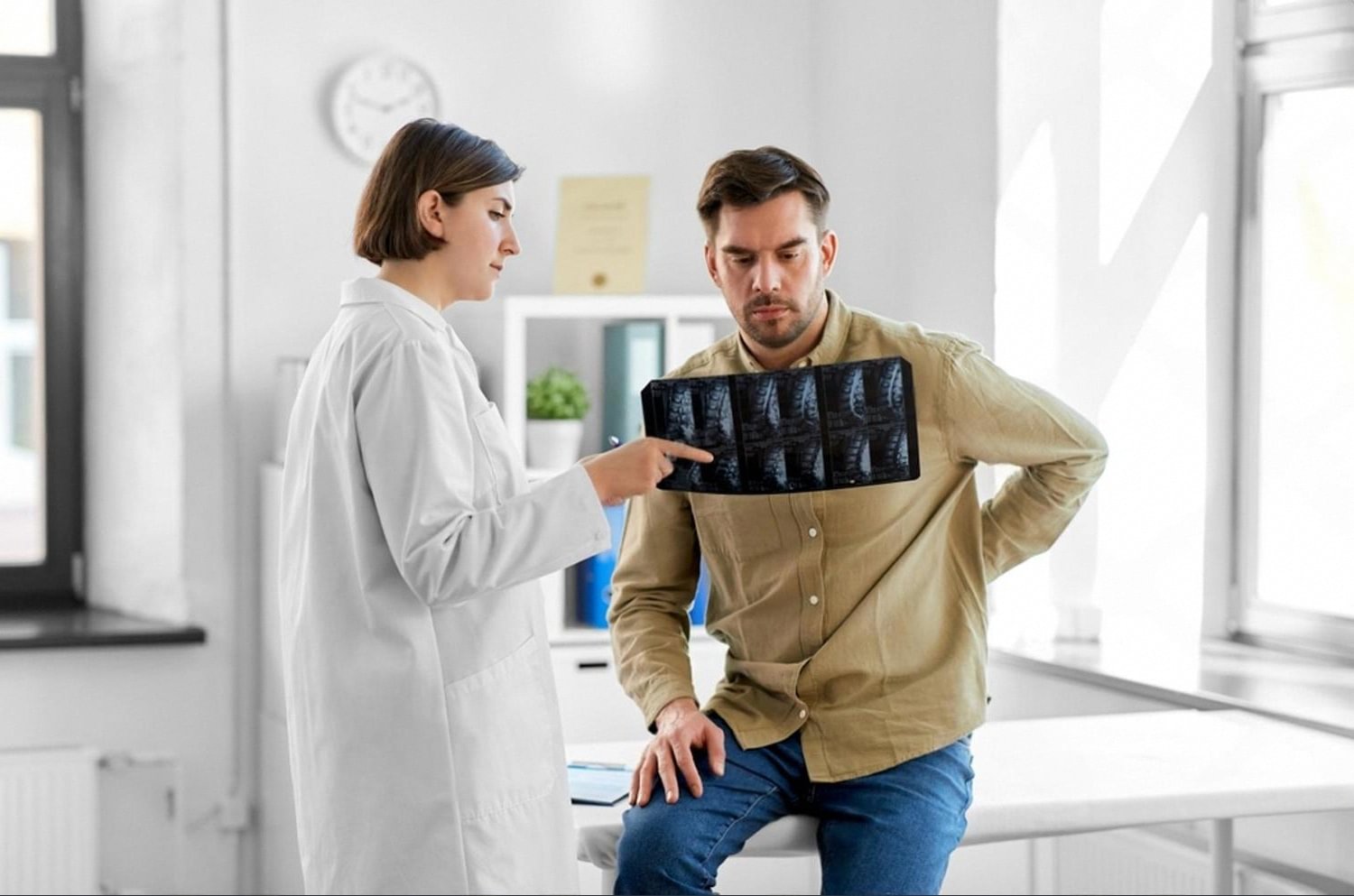
Can a Hernia Heal Without Surgery? A UAE Patient Guide
Patient guide
The short answer: no, a hernia does not heal on its own
Hernias are one of the most common reasons adults in the UAE visit a general surgeon. The question almost every patient asks first is whether the bulge will simply go away. It will not. Symptoms can quiet down for weeks at a time, but the underlying defect in the abdominal wall stays where it is, and usually grows.
Why hernias don’t heal
A structural problem, not a soft-tissue injury
A hernia is a hole or weak spot in the abdominal wall through which fatty tissue or a loop of bowel pushes out. Unlike a bruise or a small skin cut, the abdominal wall muscles and their fibrous covering (the fascia) do not knit themselves back together once they have separated. There is no biological mechanism that pulls a torn fascia edge back to its neighbour and seals it.
You may feel less pain on quiet days, or the bulge may flatten when you lie down. That is symptom relief, not healing. The moment you stand, cough, lift, or strain, the pressure inside your abdomen pushes tissue back through the same opening. According to the NHS hernias almost always get bigger with time and generally require surgical repair.
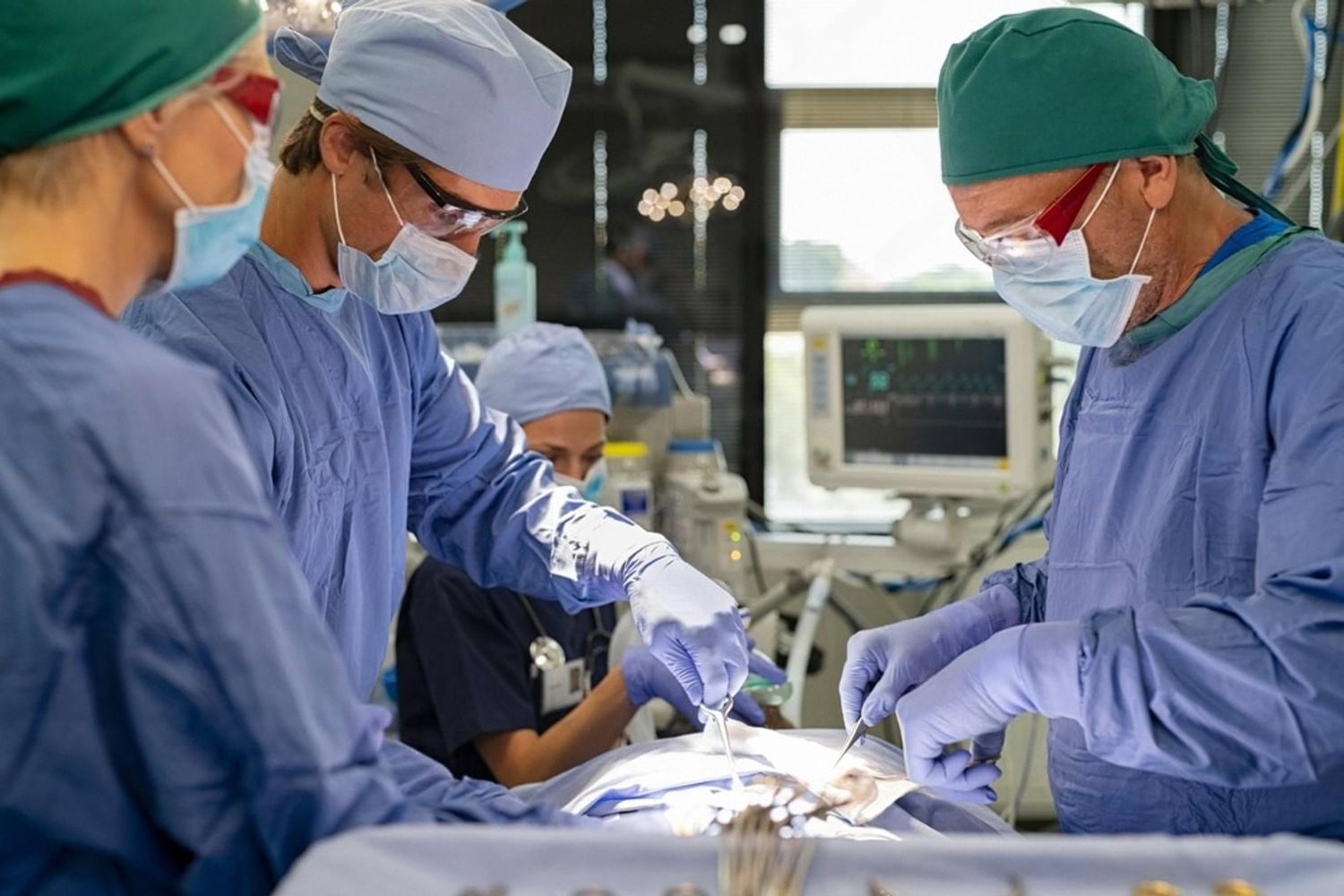
Can you safely delay surgery?
Sometimes, yes. Doctors call this watchful waitingand it is a reasonable option for a small, painless, easily reducible hernia in a patient who is otherwise well. A study published in JAMA showed that watchful waiting is acceptable for men with minimally symptomatic inguinal hernias, though most eventually need repair within a few years.
- The hernia is small and you can push it back in with a gentle press
- There is little or no pain during normal daily activity
- You have no signs of bowel involvement (nausea, vomiting, obstruction)
- You are following up regularly with a qualified surgeon
Follow-up is the non-negotiable part. In the UAE, patients often travel for work, and it is easy to skip a check-up for six or twelve months. A hernia that was harmless in January can be a very different problem by June. If you are choosing to monitor, book the review appointments in advance and keep them.
Risks of leaving a hernia untreated
- Enlargement. The defect stretches. What starts as a walnut-sized bulge can grow to fist-sized, making eventual surgery more complex.
- Increasing pain. Dragging, burning, or aching sensations become more frequent, especially after long days on your feet.
- Bowel obstruction. A loop of intestine can get trapped in the hernia sac. This causes vomiting, bloating, and stopped bowel movements.
- Strangulated hernia. The trapped tissue loses its blood supply. This is a surgical emergency, minutes and hours matter.
- Emergency surgery. Operating on a strangulated hernia carries higher complication rates than a planned repair on a calm, prepared patient.
What non-surgical management actually looks like
If you and your surgeon agree to monitor rather than operate immediately, the goal is to reduce intra-abdominal pressure so the hernia is provoked as little as possible. This is symptom control, not a cure.
Manage your weight
Excess abdominal fat raises pressure on the weak spot. Even a modest loss can ease symptoms.
Avoid heavy lifting
Skip the deadlifts and heavy shopping bags. Split loads and bend at the knees.
Treat chronic cough
A persistent cough hammers the abdominal wall. See a doctor for asthma, reflux, or a smoking-related cough.
Fix constipation
Straining on the toilet is one of the biggest triggers. Add fibre, drink water, stay active.
Use a support belt carefully
A truss can offer temporary comfort, but it does not close the defect and can cause skin issues if worn full-time.
A note on support belts
Hernia belts are a bridge, not a treatment
Trusses and hernia belts hold the bulge in place with external pressure. They can make a long flight or a busy work day more comfortable while you wait for a scheduled operation, and that is genuinely useful. What they cannot do is repair the muscle wall. Long-term reliance on a belt is linked to skin irritation, muscle atrophy under the pad, and, occasionally, missed warning signs because the hernia is hidden from view.
If you are already relying on a belt every day, that is usually a signal to talk to a surgeon about definitive repair rather than a reason to buy a stronger belt.
How the two main options compare
Once repair is on the table, most patients in Dubai and Abu Dhabi are offered either an open repair or a laparoscopic (keyhole) approach. Both use a mesh to reinforce the wall in the vast majority of adult cases.
| Aspect | Watchful waiting | Open repair | Laparoscopic repair |
|---|---|---|---|
| Fixes the defect? | No | Yes | Yes |
| Recovery time | N/A | 3 to 6 weeks | 1 to 2 weeks |
| Scar size | None | One larger incision | Three small incisions |
| Best for | Small, painless hernias | Larger or recurrent hernias | Bilateral or work-active patients |
| Risk of emergency later | Present, ongoing | Very low after repair | Very low after repair |
A patient-specific plan matters more than any general comparison. A well-trained hernia surgeon in Dubai will weigh your age, occupation, hernia type, and previous surgeries before recommending an approach.
When surgery stops being optional
Certain signs mean you should stop waiting and get to an emergency department the same day. These indicate that the hernia may be strangulated or obstructed, and every hour counts.
- Severe, constant pain at the hernia site that does not settle when you lie down
- Colour changes over the bulge, especially red, purple, or dusky skin
- Persistent vomitingparticularly with abdominal swelling
- Fever together with tenderness over the hernia
- Sudden, tense swelling that appears within hours
- An irreducible herniameaning the bulge no longer goes back in when you press gently
If any of these apply, do not wait for a morning appointment. Emergency care in the UAE is well-equipped for this, and outcomes are dramatically better when strangulation is treated within a few hours rather than the next day.
{{IMAGE_0 unused}}
Getting a plan
The most useful next step
Whether you decide to monitor or to schedule a repair, having the right specialist behind that decision is what keeps you safe. Booking a consultation with an experienced gastro surgeon in Dubai gives you an accurate assessment of your hernia type, size, and risk, plus a clear plan you can actually live with.
Frequently asked questions
Can exercise close or shrink my hernia?
No. Core exercises can strengthen surrounding muscles and may reduce discomfort, but they do not close the fascial defect that defines a hernia. Heavy or high-impact exercise can actually make the hernia larger.
If you want to stay active while you wait for surgery, ask your surgeon which movements are safe. Walking, gentle swimming, and controlled low-load core work are usually fine; heavy lifting and straining are not.
Do hernia belts or trusses work as a permanent solution?
They can hold the bulge in and ease pressure, which is helpful for short-term comfort or while you organise surgery. They are not a permanent fix, because they don’t repair the muscle wall.
Wearing a belt full-time for months or years is not recommended. It can weaken the tissue further and mask symptoms of a hernia that is quietly getting worse.
Are children’s hernias different?
Yes. Umbilical hernias in babies often close on their own by age four or five because the abdominal wall is still developing. This is one of the few situations where genuine self-healing occurs.
Adult hernias behave differently. Once the fascia has separated in a fully grown abdominal wall, it does not reunite without surgical repair.
How long can I safely delay hernia surgery in the UAE?
There is no fixed timeline. Small, painless, reducible hernias in fit adults can be observed for months or years, provided you attend regular follow-ups and act on any warning signs immediately.
Larger hernias, femoral hernias in women, and hernias in patients with chronic cough or constipation are usually advised to proceed sooner because their risk of complications is higher.
What does a strangulated hernia feel like?
The pain is sudden, severe, and does not settle when you rest. The bulge becomes hard and tender, and often changes colour. Nausea and vomiting frequently follow.
This is a surgical emergency. Head to the nearest hospital emergency department rather than waiting for a clinic appointment.
Is laparoscopic hernia repair available in Dubai?
Yes. Laparoscopic (keyhole) hernia repair is widely offered in Dubai and Abu Dhabi and is often preferred for bilateral hernias, recurrent hernias, or patients who need to return to work quickly.
Whether it is the right choice for you depends on your hernia’s type and size, previous abdominal surgery, and your overall health. A specialist consultation is the only way to be sure.
Will my hernia definitely get bigger over time?
Most do. The defect in the abdominal wall does not shrink, and daily pressure from breathing, coughing, and moving gradually stretches it further. Some hernias grow slowly, others quickly.
Even if the size feels stable, the risk of complications like obstruction and strangulation is still present. That risk does not go down with time.

Soccer lover, foodie, ukulelist. Eames fan and screen printer. Let’s chat.